

Vision
To foster an inclusive and empowered tribal society in Uttarakhand that is socially secure, economically resilient, culturally vibrant, and fully integrated into the state’s developmental processes.
Mission
- To implement comprehensive, evidence-based strategies that address the specific needs of tribal communities in health, education, livelihood, and infrastructure.
- To protect and advance the constitutional rights and cultural identity of tribal communities, ensuring equitable access to opportunities and resources.
- To promote economic self-reliance through skill development, entrepreneurship, and the sustainable utilisation of traditional knowledge and resources.
- To strengthen participatory governance and decision-making processes within tribal areas, empowering communities to shape their own futures.
Core Objectives
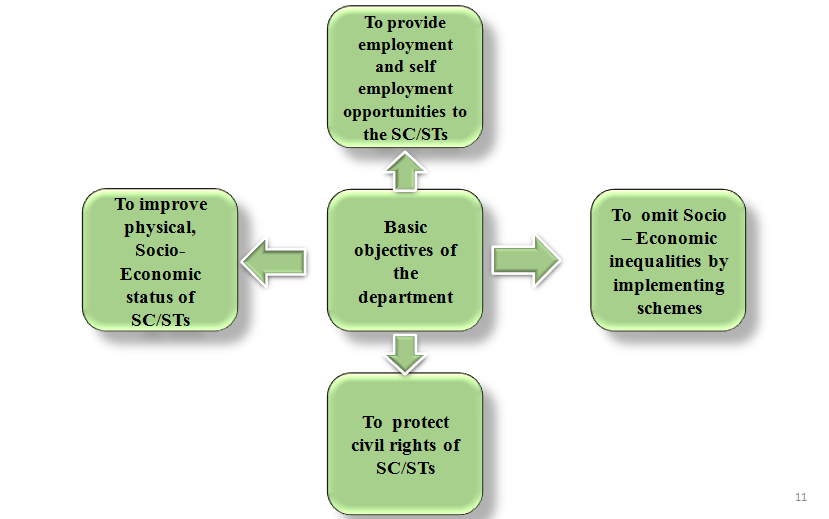
- Holistic Development: To drive integrated development across key areas—including health, education, livelihoods, and infrastructure—aimed at closing the development gap for Scheduled Tribes.
- Livelihood Security and Skill Enhancement: To enhance economic resilience by creating sustainable livelihood opportunities through skill development, vocational training, and value addition to traditional and forest-based resources.
- Protection of Legal and Constitutional Rights: To ensure the full protection and realisation of the rights of Scheduled Tribes as enshrined in the Constitution and relevant legislations, including land rights and access to government services.
- Preservation of Cultural Heritage: Ensure protection and realization of rights through proactive implementation of policies like the Forest Rights Act.
- Infrastructure and Service Delivery: To ensure the provision of essential infrastructure—such as housing, safe drinking water, electricity, road connectivity, and social services—in tribal habitations.
- Efficient Programme Implementation: Strengthen data systems, evaluation mechanisms, and community participation in planning and governance.